Whether you’re a fish fanatic or just dipping your toe into cooking with seafood, there’s never been a better time to add delicious, nutritious seafood recipes to your family’s meal routine. But why lean into eating more seafood?
If you’re looking to get maximum nutrient content for your buck, seafood is a smart buy. Seafood can be a great source of lean protein and heart-healthy omega-3 fatty acids, as well as other vitamins and minerals. With options for every budget, seafood can be an affordable protein option.
And with so many different options, from mild white fish to meaty tuna, salmon, shellfish, and more, the dinner possibilities are endless. Visit your store to look for options like fresh, frozen, and even canned. Frozen seafood is often just as high quality as fresh, can be more readily available, and it’s generally more affordable. The frozen seafood section even carries many options that are wild caught and sustainable, so you can be confident in stocking up on good choices. Canned seafood is also another budget-friendly option that offers convenience and versatility at your fingertips. Bonus: Stocking up on frozen and canned seafood varieties means dinner can be ready in a snap.
 |
 |
 |
| Add to Cart | Add to Cart | Add to Cart |
 |
 |
 |
| Add to Cart | Add to Cart | Add to Cart |
 |
 |
 |
| Add to Cart | Add to Cart | Add to Cart |
Shrimp
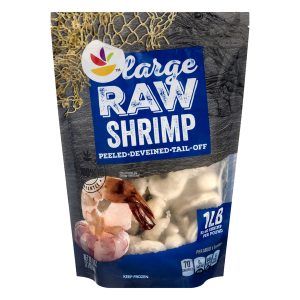
Versatile, mild-flavored shrimp is a protein that plays well with a variety of other ingredients. Its subtle sweetness makes it ideal for kids or other reluctant seafood-eaters who don’t want something “fishy” tasting. Frozen shrimp is typically the best value (in fact, raw shrimp available at the seafood counter is often previously frozen anyway), and it’s available in a variety of sizes. Shrimp sizes are categorized by the number of individual shrimps it takes to make a pound. They range from colossal, which is under 10 per pound, to as small as 60 or 70 per pound. Look for packages labeled “wild-caught” or “sustainably farmed” along with “easy peel” and “deveined” to save prep time.
Shrimp with Spanish Rice and Olives
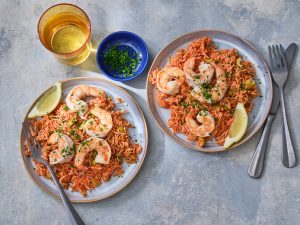
Quick-cooking shrimp come to the rescue on busy weeknights when you want to serve something satisfying in a hurry. Pre-cooked rice is another time-saver that gets this Mediterranean-inspired skillet with tomatoes and green olives on the table in 10 minutes.
Get the recipe: Shrimp and Spanish Rice and Olives
Salmon
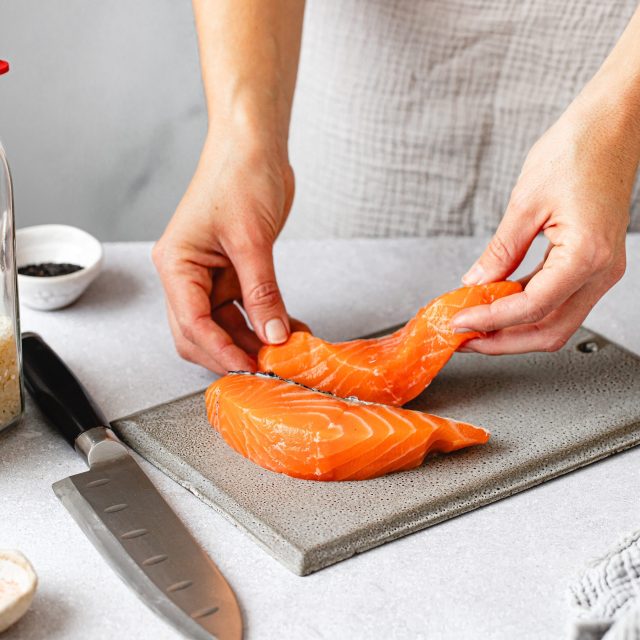
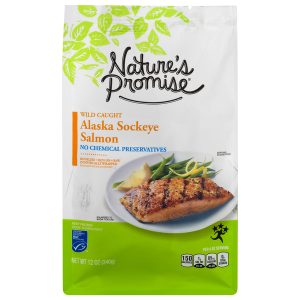
When it comes to versatility, salmon is the king of fish. Delicious roasted, grilled, steamed, poached, and even cooked in the microwave, there’s no wrong way to enjoy heart-healthy salmon. You can often find both farmed and wild-caught salmon at your store. Farmed salmon is lighter in color, milder in flavor, and typically more affordable. Wild-caught salmon has a deep, pinkish-red color and a stronger flavor. It’s generally considered to be the more sustainable, environmentally friendly choice, and it’s richer in nutrients, particularly omega-3 fatty acids. Look for fresh fillets at the seafood counter, or you can find both farmed and wild-caught salmon in the frozen seafood case. In recipes that don’t require a whole fillet, such as salmon burgers, croquettes, or salad, canned salmon is a great, affordable choice. Find some of our favorite recipes here.
Everything Bagel-Crusted Salmon Bowls
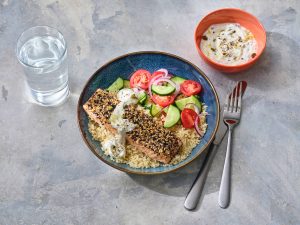
Bagels with lox and cream cheese serve as the inspiration for this complete meal in a bowl that’s ready in 15 minutes. Everything bagel seasoning adds savory crunch to quick-broiled salmon fillets served over microwave-ready quinoa with a refreshing tomato-cucumber salad and creamy yogurt sauce.
Get the recipe: Everything Bagel-Crusted Salmon Bowls
Tuna
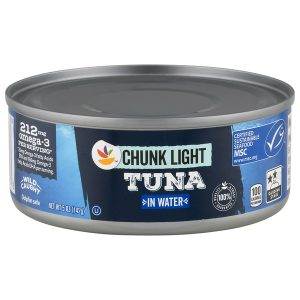
You love it mixed with mayo and schmeared on a sandwich, but that’s just the beginning when it comes to the delicious possibilities of tuna. Prized for its rich, meaty flavor, canned tuna is an affordable, always reliable source of protein. Light or skipjack tuna has a milder taste and more watery consistency than white or albacore tuna, which is firmer with a slightly brinier and more pronounced flavor. Look for cans labeled “pole and line caught,” which means the fish is wild-caught and sustainably harvested. For grilling, roasting, and steaming, think outside the can and opt for tuna steaks. Look for them at the seafood counter or in the frozen seafood case.
Tuna Melt Nachos
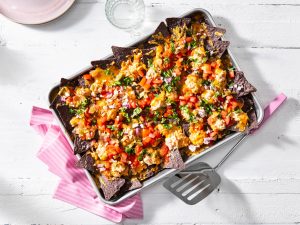
Tuna melts are a classic seafood recipe for good reason, and giving them a Tex-Mex twist only makes them better. Melt your cheesy tuna mixture over corn tortilla chips and pile high with your favorite nachos fixings for a weeknight winner.
Get the recipe: Tuna Melt Nachos
Scallops
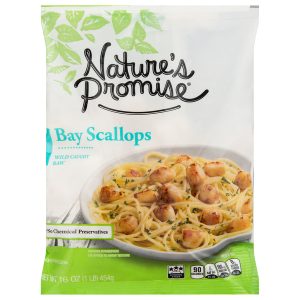
With their luscious texture and sweet, buttery flavor, scallops can turn any meal into a special occasion. Technically a bivalve (like clams and mussels), scallops are typically sold already removed from the shell. Like other shellfish, scallops are quick-cooking and easy to prepare. They can be swapped in for shrimp or fish in a wide range of recipes, so they’re a versatile choice to keep in mind when trying to mix up the nightly dinner routine. Flash frozen at the peak of freshness, scallops from the freezer case typically taste as good as the ones from the seafood counter. When buying them fresh, look for “dry” scallops, which have no water added.
Scallops with Creamy Lemon Sauce
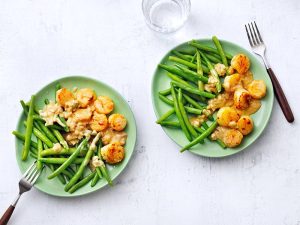
Treat yourself to a restaurant-quality meal for a fraction of the price with this recipe that’s ready to impress in 15 minutes. A lemony cream sauce with shallots and white wine adds rich flavor to golden, pan-seared scallops paired with a side of microwave-ready green beans.
Get the recipe: Scallops with Creamy Lemon Sauce
Clams
Good things come in small packages, and that’s definitely true when it comes to clams. In fact, the smaller the clam, the more tender and flavorful the meat is inside. Fresh clams from the seafood counter are sold live in the shell. Be sure to look for clams that close tightly when tapped and feel cold to the touch, with a faint ocean smell that’s not fishy. Avoid any clams with cracked or damaged shells. Canned clams are already cooked and ready to use. They’re a great option for soups, dips, and pasta. Though less readily available, clams are also available frozen, both in the shell and shucked.
Grilled White Clam Pizza
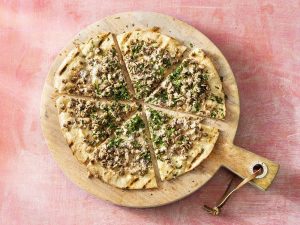
This riff on a favorite dish from New Haven, Connecticut, puts clams in an unexpected role: pizza topping. Prebaked pizza crust helps to fast-track this grilled pie topped with canned clams, Parmesan, and fresh parsley.
Get the recipe: Grilled White Clam Pizza
White Fish
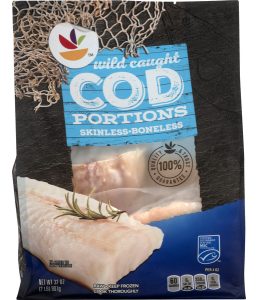
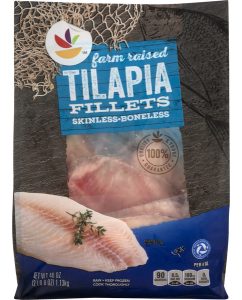
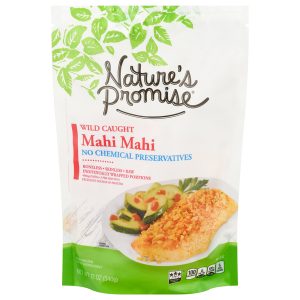
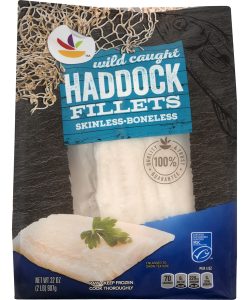
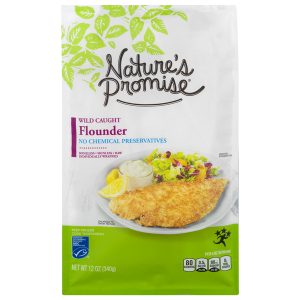
This broad category of fish includes cod, tilapia, haddock, halibut, and mahi mahi. These lean fish options tend to be the best choice for someone resistant to trying seafood, as they’re pretty mild in flavor. The light, flaky texture of white fish makes it an ideal choice for frying, and it’s also delicious roasted, grilled, broiled, and steamed. Whichever variety you choose, neutral-flavored white fish pairs best with bold ingredients that complement and enhance its subtle ocean flavor. When shopping for fresh white fish, the nose knows. Frozen white fish fillets are a convenient, affordable option that typically tastes as good or even better than fresh.
Crispy Cod Nuggets
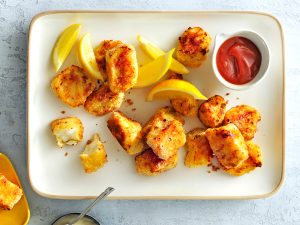
This 5-ingredient recipe transforms fish into something picky eaters (even kids!) will actually eat. Serve alongside your favorite dipping sauce and dinner is ready in just 30 minutes.
Get the recipe: Cod Nuggets
Anchovies
Salty and brimming with umami, anchovies are best used as a flavor-enhancer rather than a stand-alone protein. Primarily available canned or jarred, anchovies are packed in olive oil and ready to use. Anchovy paste in the tube is another convenient way to use this potent ingredient that allows for easy portioning with no chopping required. Anchovies can add depth to sauces and dressings, like classic Caesar, especially when paired with garlic. Cooking anchovies mellows their fishy flavor and develops a natural savoriness that works well as the base for pasta and grain dishes. Be sure to keep anchovies in the refrigerator after opening.
Linguine with Anchovies and Shallots
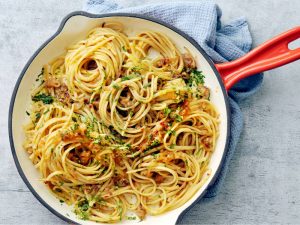
A little anchovy goes a long way in this hearty and comforting 15-minute pasta. Mildly sweet caramelized shallots combine with nutty, savory sautéed anchovies, fresh lemon, and red pepper for an explosion of flavor tossed with linguine.
Get the recipe: Linguine with Anchovies and Shallots